Chile’s Lakes & Volcanoes Region: A Complete Travel Guide
Where is it and what makes it so special?
The Lakes & Volcanoes region stretches roughly 700km south of Santiago, running from the city of Temuco down through Villarrica, Pucón, Valdivia and Puerto Varas to Puerto Montt, the gateway to Chilean Patagonia. Geographically, it’s often compared to Switzerland or New Zealand — a narrow strip of land squeezed between the Pacific Ocean and the Andes, patterned with dozens of glacial lakes and dominated by a chain of active volcanoes running the length of the cordillera.
What sets it apart is the sheer density of natural drama packed into a relatively small area. Within a single day’s drive you can go from lush temperate rainforest to black volcanic ash fields, from thermal springs to snowfields, from Mapuche communities preserving centuries-old traditions to tidy Bavarian-style towns founded by 19th-century German immigrants. Few places on Earth offer that kind of contrast in such close proximity.
GETTING THERE
Almost every trip to the region starts in Santiago, home to Chile’s main international gateway, Aeropuerto Comodoro Arturo Merino Benítez (SCL), which is well connected to Europe, North America and Australasia. From there, three domestic carriers – LATAM, Sky Airline and JetSmart – operate frequent flights south.
From Santiago you’ll then take an internal flight into Temuco (ZCO), followed by a road transfer to Pucón, the area’s adventure sports hub. From Temuco there is a good shuttle service, bookable online or at the airport, to Pucón, which takes approximately two hours. Once you’re in Pucón you can relax for a day or two and take a breather before your MTB adventure in Chile really begins.
Hotel Casa Solaria and Pucón Indomito Hotel are well located for exploring the town and recovering from your travel. If you’re sampling the local beverages, beware of the Pisco Sours – one’s not enough but two’s too many!
If you’re travelling from Europe or Australasia, you’ll typically need an overnight stop in Santiago to connect with your onward flight the next day; travellers from North America can often make the connection the same day. Most nationalities, including EU, UK, US, Canadian and South American passport holders, don’t need an advance visa for tourism, you’ll simply receive a 90-day stamp on arrival (extendable for another 90 days). Australian and New Zealand citizens should expect a processing fee on arrival.
For those combining the Lakes District with a wider trip, it’s also possible to cross into Argentina via the spectacular Cruce Andino – a combined bus-and-ferry route across the Andes linking Puerto Varas with Bariloche – or head to Torres del Paine in Patagonia via a flight from Puerto Montt to Punta Arenas.
WHEN TO GO
Chile’s seasons run opposite to the Northern Hemisphere, and in the Lakes & Volcanoes region they matter more than almost anywhere else in the country, since this is a temperate rainforest zone that sees rain year-round.
Summer (December – February) is peak season: warm, dry-ish days averaging around 20°C (70°F), long daylight hours, and the best conditions for hiking, volcano climbs and mountain biking. It’s also when the region is busiest and priciest, so book accommodation and tours well in advance.
Shoulder seasons (October – November and March – April) are, for many, the sweet spot. Crowds thin out, prices drop, and the weather is still generally good. November brings wildflowers and clear volcano views before the summer rush, while March and April deliver a beautiful, quiet autumn with turning leaves around the lakesides. Volcán Villarrica’s slopes still hold enough snow in October and November for guided ascents with a toboggan descent.
Regardless of when you decide to travel to Chile it’s important to be prepared for all weathers, particularly when you’re mountain biking in remote areas and climbing to higher altitudes. The weather can change quickly in these mountainous environments and it’s better to be prepared rather than being caught out. We have more detail on what kit to bring on a mountain bike tour in Chile later on.
PEOPLE AND CULTURE
Two cultural threads run through this region, and both are still very visible today.
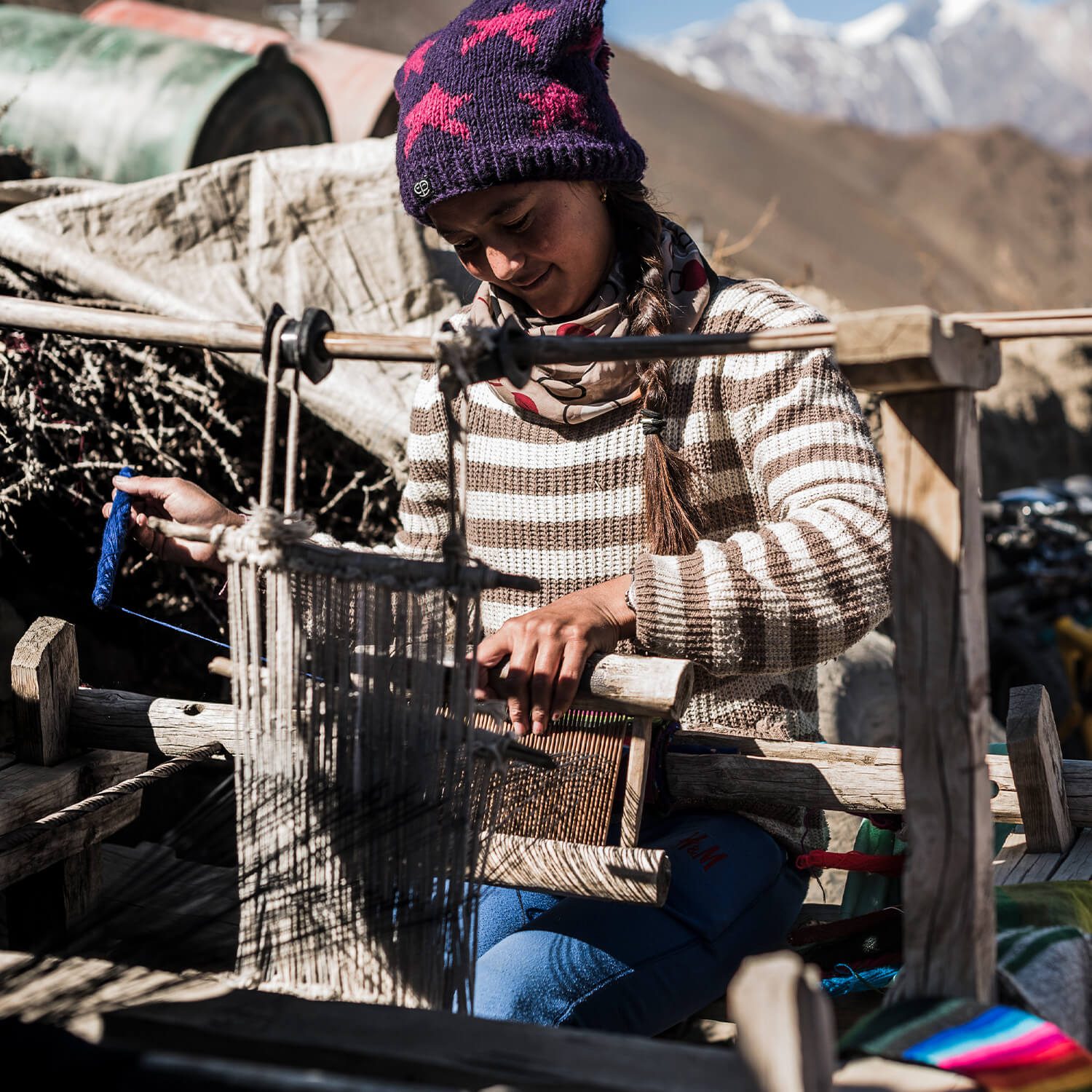
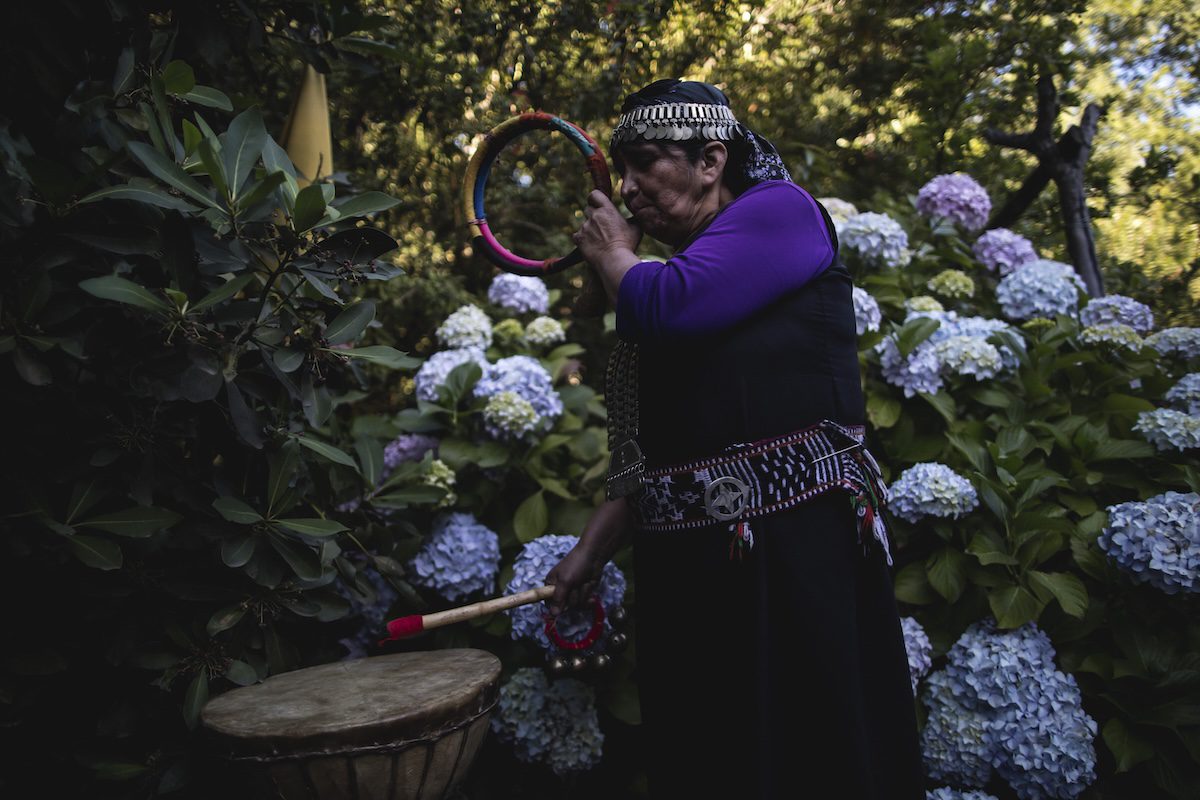
The first is Mapuche. Long before European contact, the Mapuche (and the closely related Pewenche and Huilliche peoples) occupied much of south-central Chile, and they were never conquered by the Inca or, for over 300 years, by the Spanish – a resistance so notable it inspired the 16th-century epic poem La Araucana. Chile’s 19th-century “Occupation of Araucanía” eventually brought the region under national control, a process that remains a sensitive and actively discussed chapter of the country’s history. Today, Mapuche communities remain a strong presence across the region, and you can learn about their culture through traditional ruka dwellings, craft markets in towns like Villarrica and Pucón, and the excellent Museo Regional de la Araucanía in Temuco. Many place names throughout the region – including the volcanoes themselves – come from Mapudungun, the Mapuche language: Villarrica’s Indigenous name, Rukapillán, translates as “House of the Spirit.”
The second thread is German. From the 1850s, the Chilean government actively encouraged German immigration into the areas around Valdivia, Osorno and Llanquihue, partly as a way of settling the frontier. That legacy is still stamped on the landscape today: black-and-white timber architecture, Lutheran churches, and lakeside towns like Frutillar and Puerto Varas that feel more Bavarian than South American, right down to the kuchen in the bakery windows. It’s a genuinely unusual cultural layering, and one of the things that makes this region feel distinct from the rest of Chile.
LANDSCAPES, FORESTS & WILDLIFE
This is one of the most volcanically active stretches of the Andes, sitting above the subduction zone where the Nazca Plate slides beneath the South American Plate — the same geological engine responsible for Chile’s frequent earthquakes. Volcán Villarrica, which looms over Pucón, is one of the most active volcanoes in South America and has a permanent lava lake in its crater. Further south, Volcán Calbuco’s dramatic 2015 eruption blanketed nearby slopes in ash still visible on trails today, while Volcán Puyehue’s 1960 eruption followed one of the largest earthquakes ever recorded.
This volcanic churn has shaped everything else about the region: the glacial lakes carved out by ice-age activity, the mineral-rich hot springs bubbling up along fault lines, and the extraordinary petrified lava fields and fields of black volcanic ash that make for some of the most distinctive mountain biking and hiking terrain anywhere in the world.
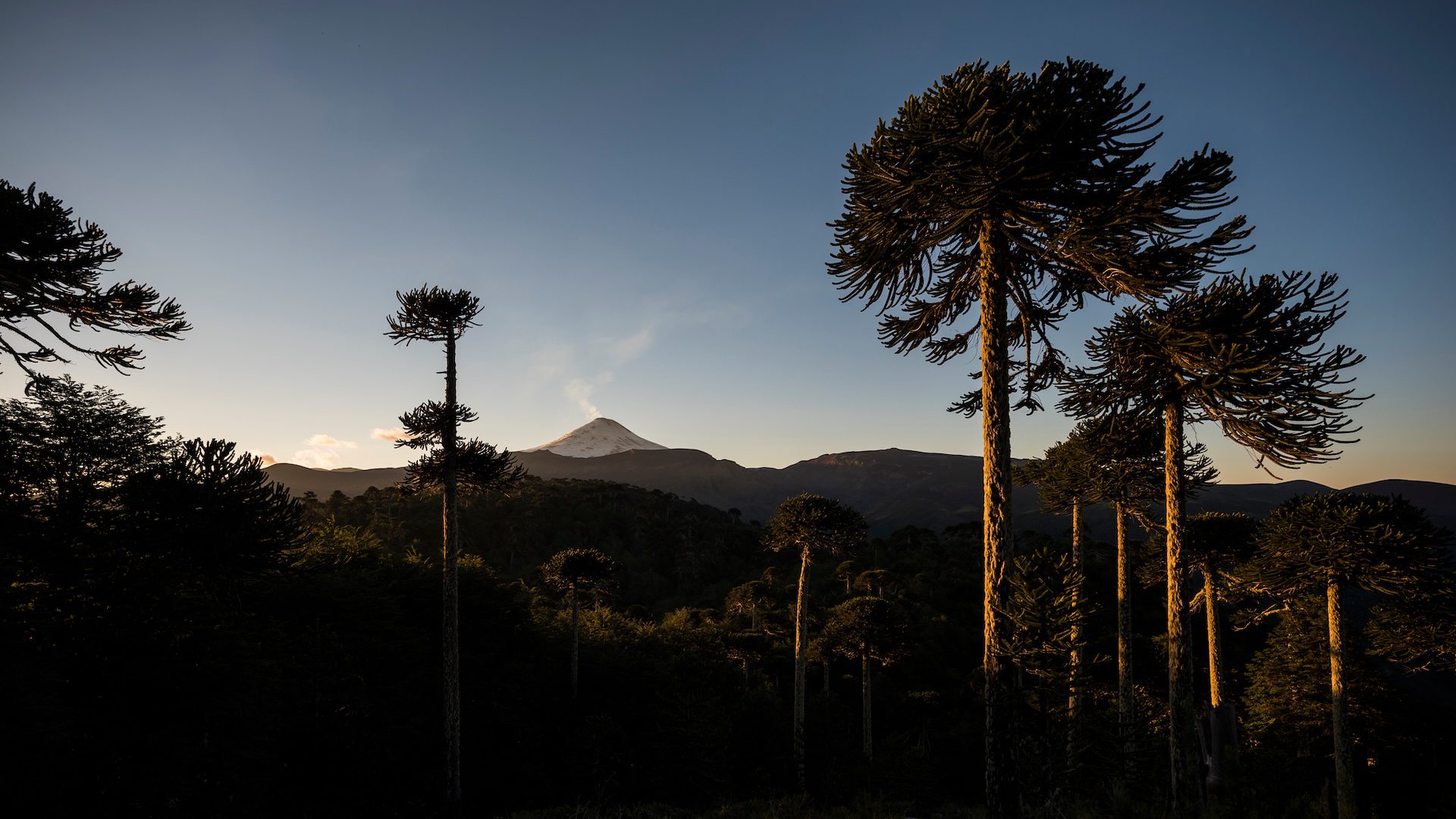
The defining natural feature of this region is the araucaría, or monkey puzzle tree — a slow-growing conifer that can live for well over a thousand years and has changed little since the age of dinosaurs. Ancient stands of araucaría, found in parks such as Conguillío and Huerquehue, create a genuinely primeval atmosphere: gnarled, umbrella-shaped crowns rising above lava fields and volcanic lakes. Lower down, the forests shift into dense Valdivian temperate rainforest — coigüe, lenga and native beech draped in bamboo and fuchsia — and, further south, stands of alerce, a cypress relative that ranks among the oldest living organisms on the planet.
Wildlife here is subtle rather than showy, but rewarding for anyone who pays attention. The pudú — the world’s smallest deer species, standing around knee-height — lives in the region’s forests, along with the culpeo (Andean fox), the elusive kodkod (South America’s smallest wild cat) and, more rarely, puma. Overhead, Andean condors ride the thermals above the volcanoes, while the forests are full of birdlife: green-backed firecrown hummingbirds, Chilean flickers, striped woodpeckers and austral thrushes among them.
The national parks are the best places to experience all of this: Villarrica, Huerquehue, Conguillío (part of a UNESCO-recognised geopark), Puyehue and Vicente Pérez Rosales each offer a different combination of volcano, forest and lake.
FOOD & DRINK
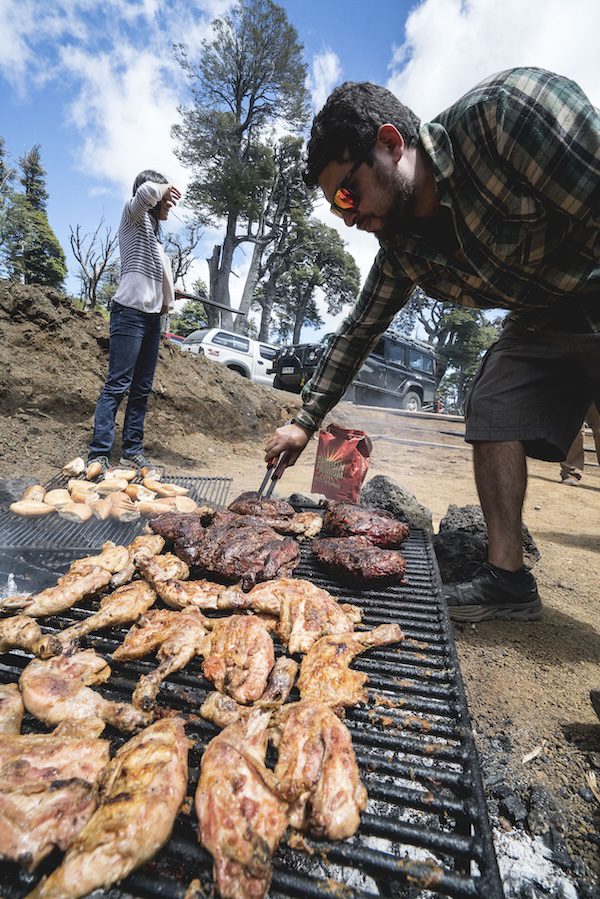
Cuisine in the Lakes & Volcanoes region reflects its dual heritage. From Mapuche and southern Chilean tradition comes hearty, earthy cooking built around what the land and sea provide: curanto, a slow-cooked feast of shellfish, chicken, pork and potato dumplings traditionally cooked in a pit lined with hot stones (a technique that predates European contact); milcao, a dense potato flatbread often stuffed with crackling; and cazuela, a warming stew of chicken, pumpkin, corn and potato that’s a staple on any cold, wet day. Freshwater salmon and trout, wild boar, venison and lamb all feature heavily, alongside good use of local artichokes and avocados.
Then there’s the German influence: bakeries piled high with kuchen — fruit-filled cakes made with berries, apples or rhubarb — plus cured meats, beer and a general fondness for cake with afternoon coffee (once, a Chilean institution in its own right) that owes a clear debt to 19th-century settlers. Wash it all down with a pisco sour, Chile’s national cocktail, or a glass of wine from the country’s world-class vineyards further north.
The most memorable meals tend to be the simplest: a lakeside asado (barbecue) of grilled meats, a bowl of curanto in Chiloé, or a slice of kuchen in a Frutillar café with a view of the Osorno volcano across the water.
MOUNTAIN BIKING THE LAKES & VOLCANOES
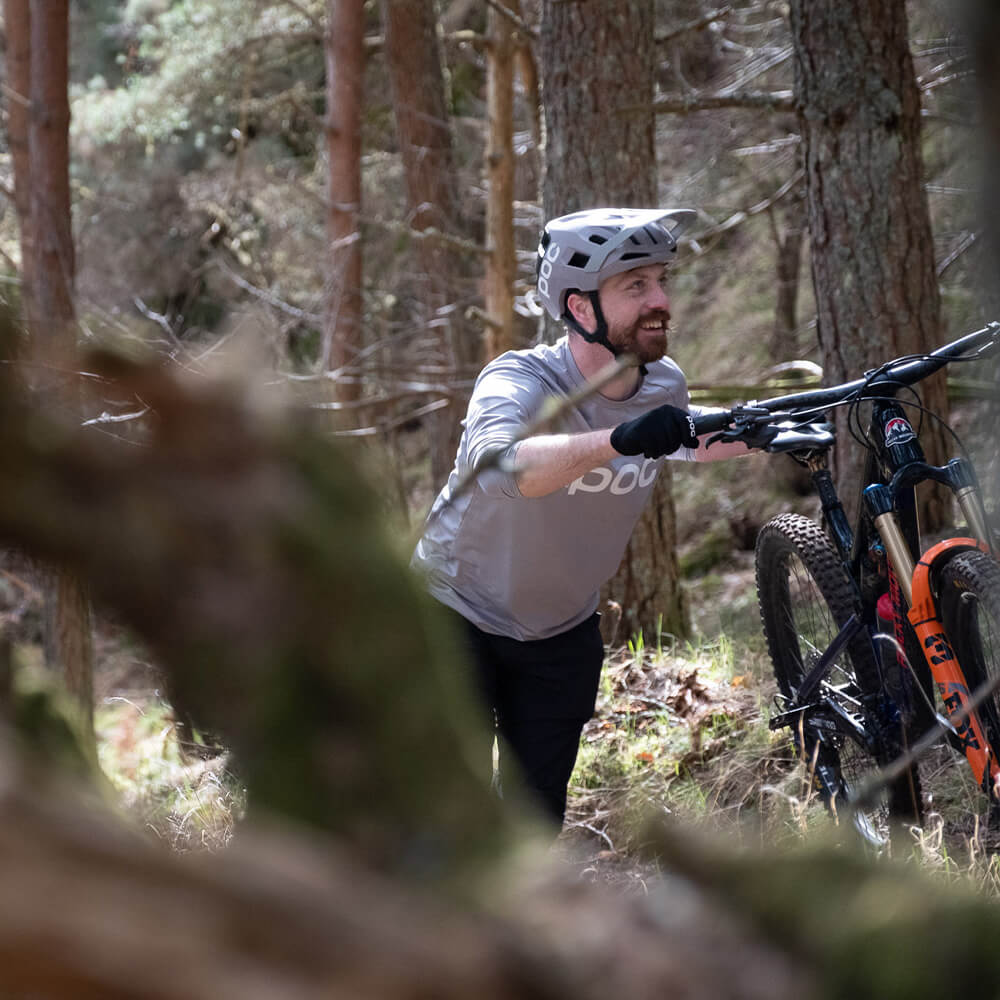
The Lakes & Volcanoes region is one of the best adventure travel destinations in South America, and mountain biking is arguably the single best way to experience its full range of terrain in a short space of time. Although, we would say that!
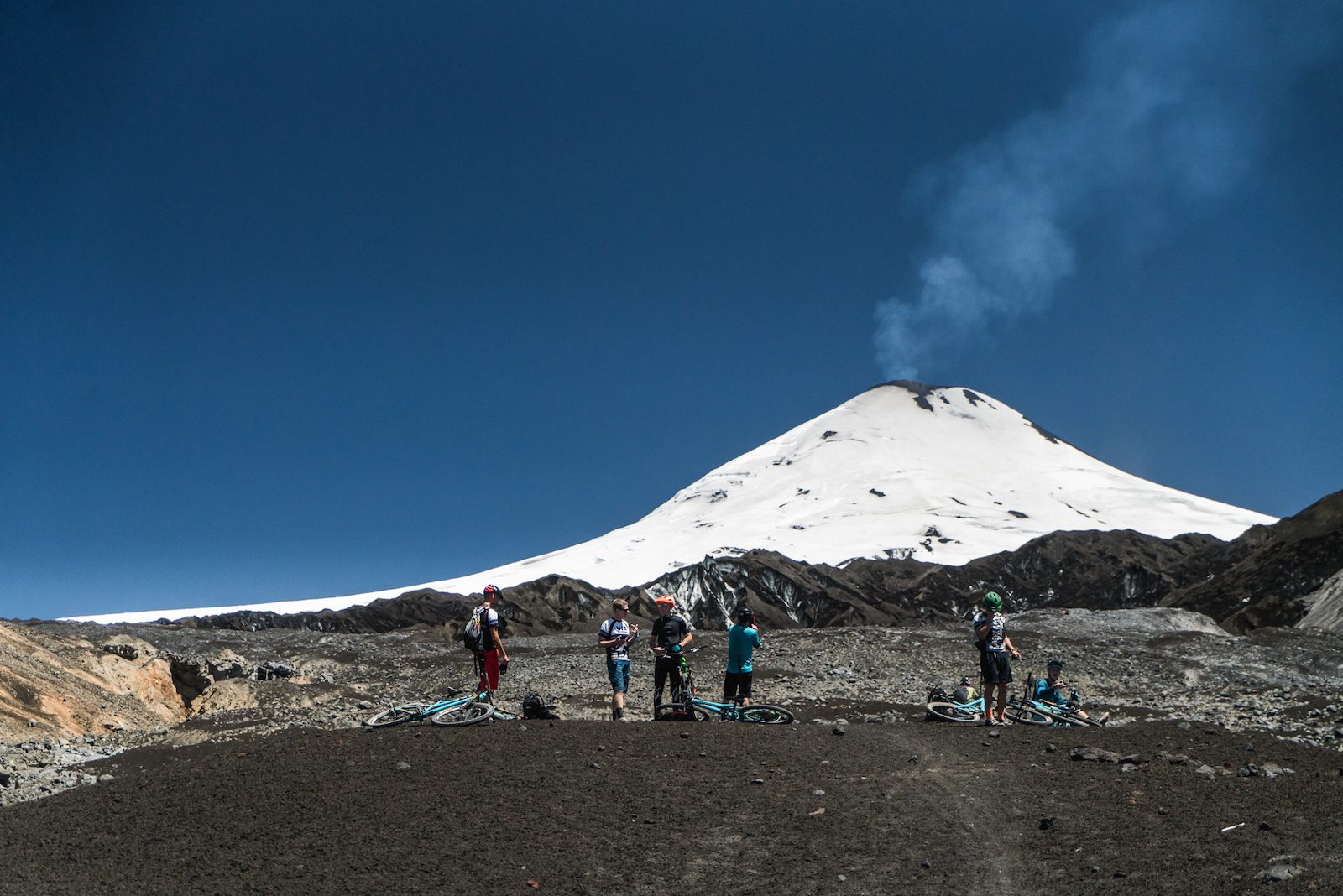
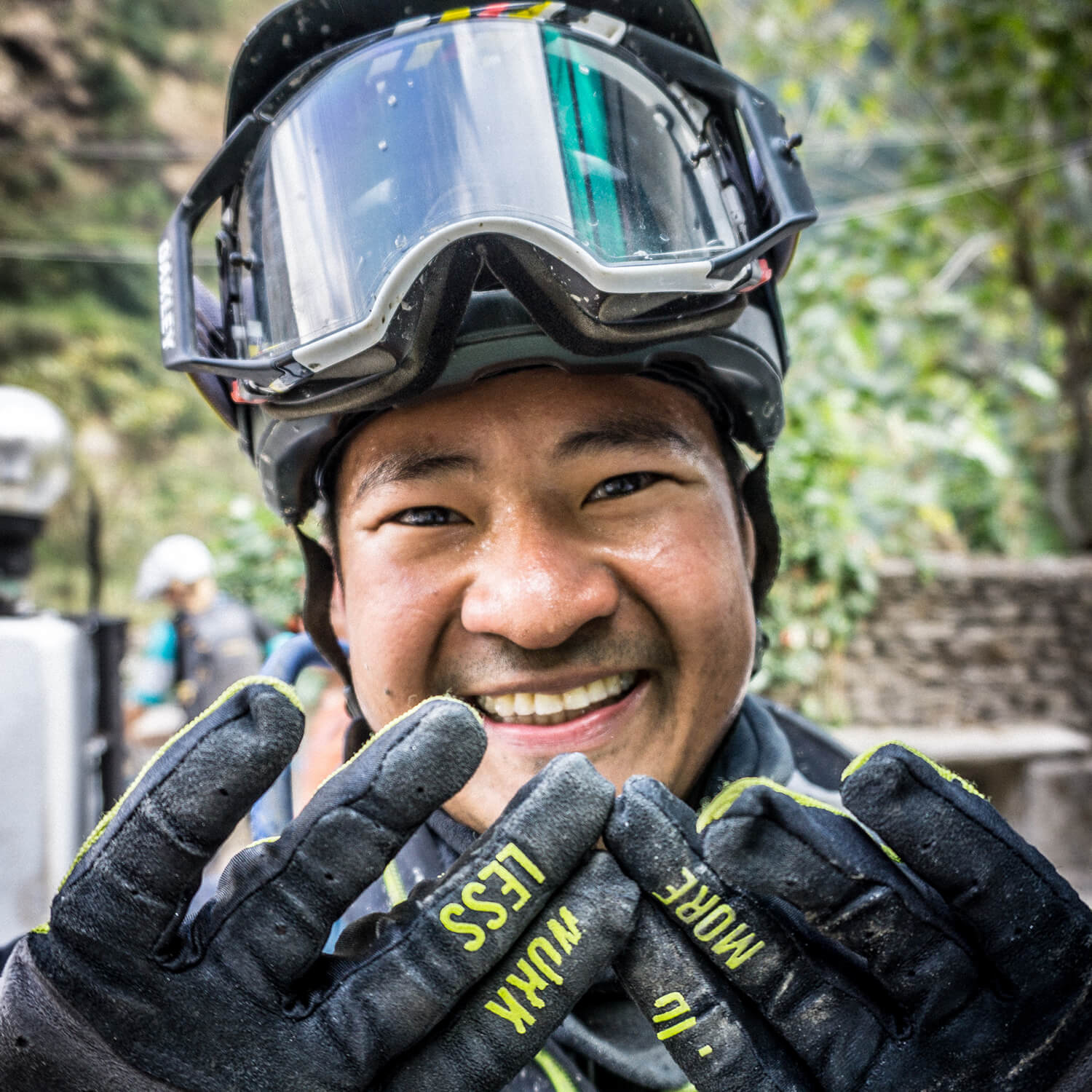
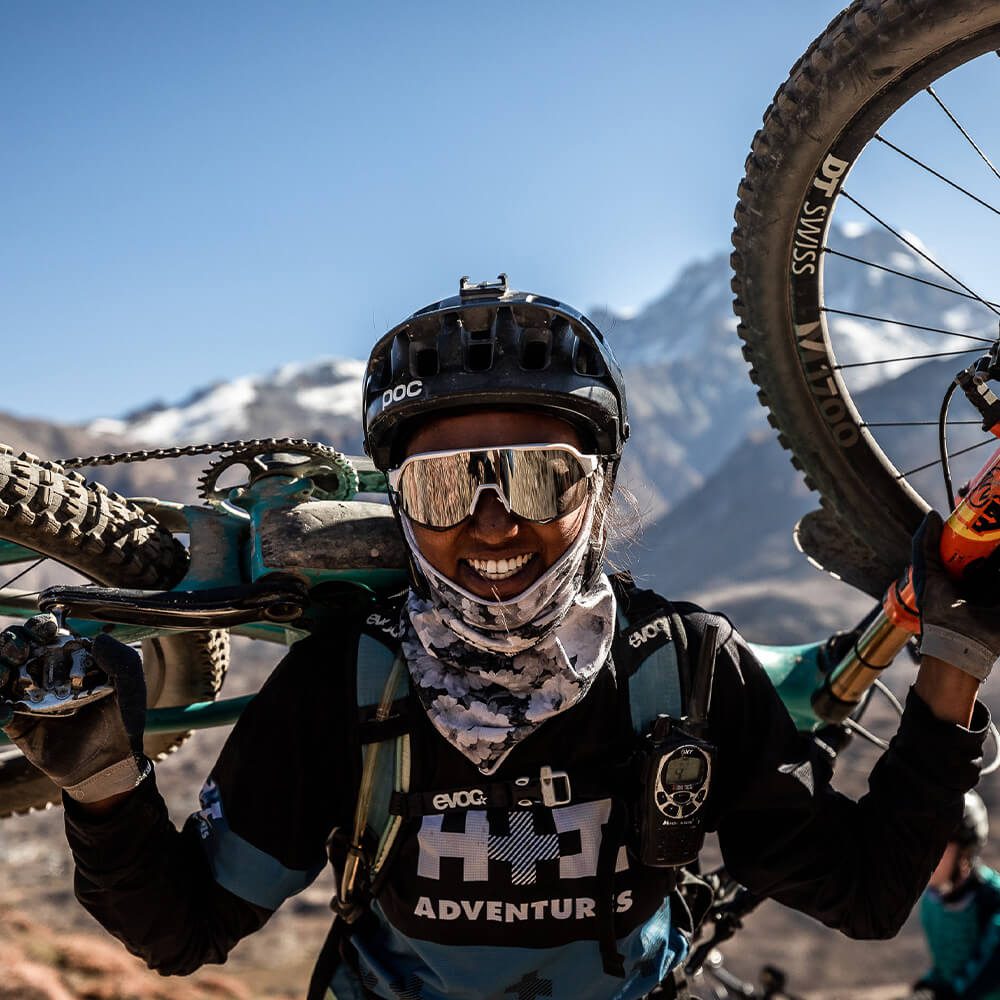
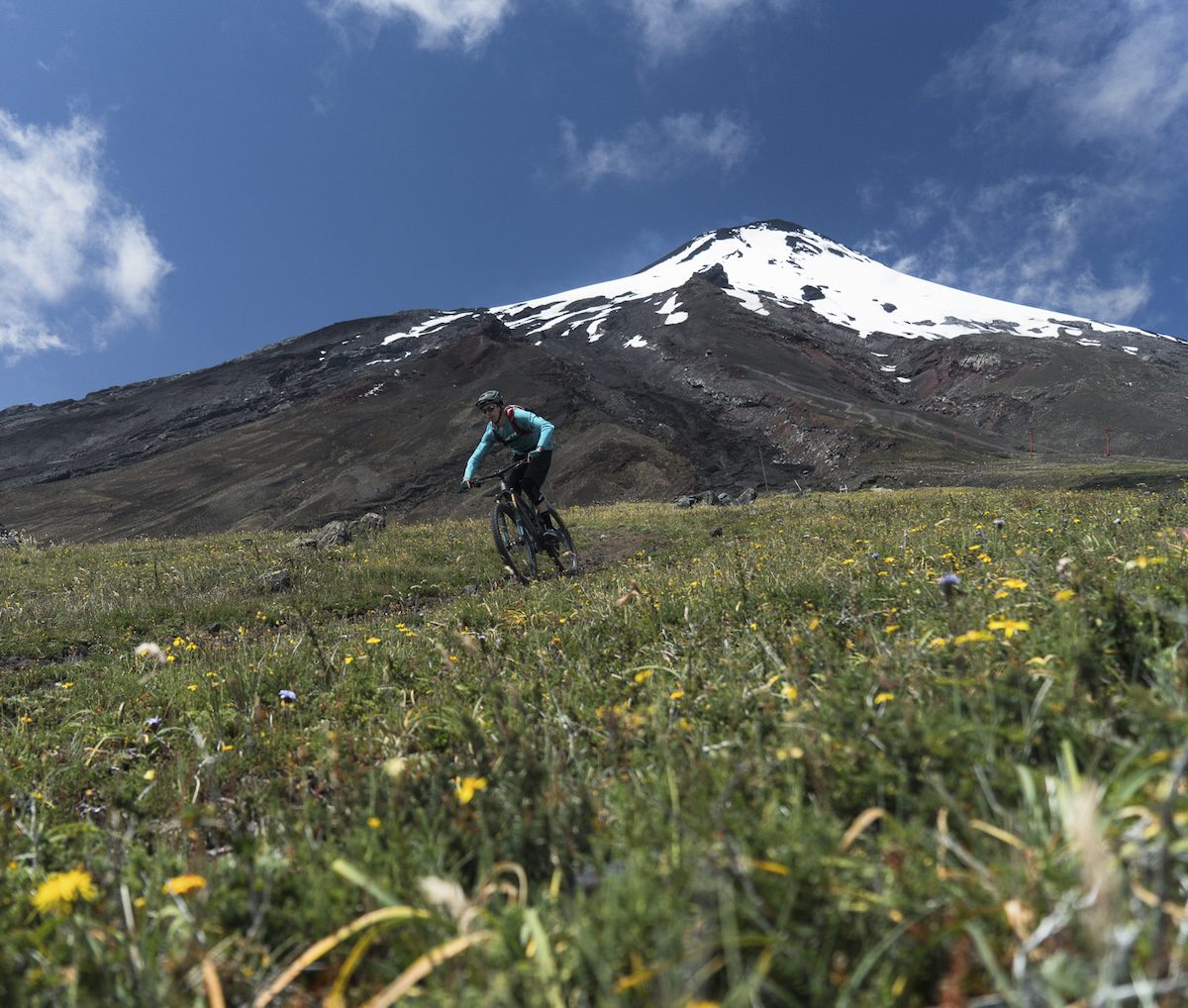
Our own Chile mountain bike tour runs north-to-south through the heart of the region and into Northern Patagonia, over eight days and seven nights. It’s rated intermediate+, for riders comfortable with long climbs, loose volcanic ash, technical singletrack and the occasional river crossing — and the terrain really is unlike anywhere else. Highlights include riding the lower slopes of Volcán Villarrica, tackling locally built trails around Pucón through petrified lava, climbing through Villarrica National Park past waterfalls and araucaría forest to the Pichi Llancahue glacier, and a final day of “volcano surfing” down loose ash blown out by the 2015 eruption of Volcán Calbuco, finishing near Volcán Osorno.
Along the way, you’ll soak in natural hot springs, share a traditional asado dinner, taste Chilean wines, and spend time learning about Mapuche culture and traditions directly from local guides – all the things that make this region special and experienced from the saddle. Accommodation is in small, family-run lodges and hotels, meals are locally sourced, and groups are kept small (a maximum of ten riders) with the most amazing logistics team handling transfers between stops.
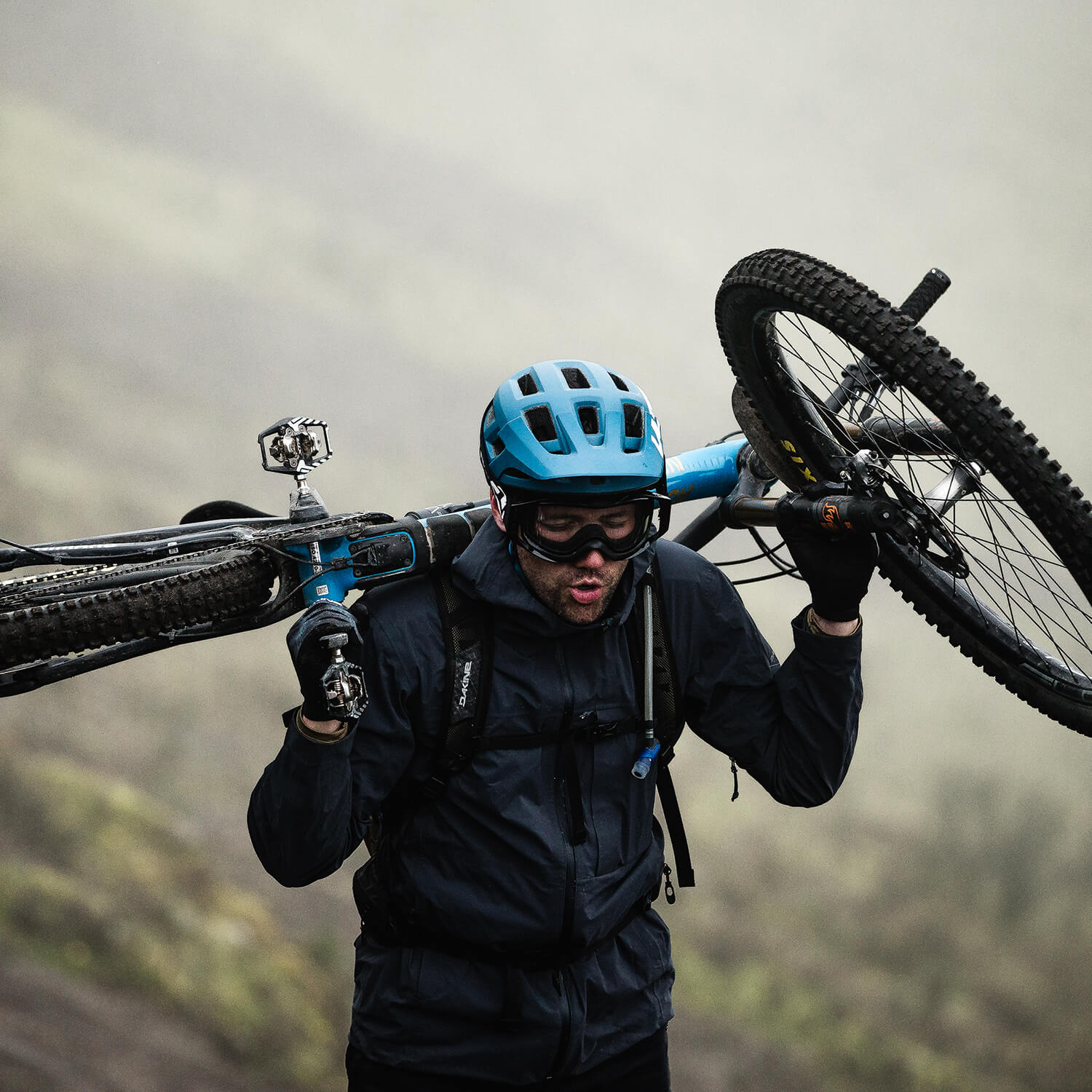
It’s demanding riding – expect climbing gradients of 10–25%, altitudes up to 2,500m, and daily distances of 20 – 45km depending on terrain – but it’s also, in our admittedly biased opinion, one of the most spectacular ways to see this part of the world.
PRACTICAL TIPS
- Currency: The Chilean Peso. Most places take cards, but keep some cash on hand, particularly for markets and rural areas
- Health: No vaccinations are required for entry, and tap water is generally safe, though bottled water is a sensible precaution for the first few days. Larger towns such as Temuco and Puerto Montt have good medical facilities
- Earthquakes and volcanic activity: This is an active geological zone. Tremors are common and rarely cause concern, but always follow local guidance, particularly around active volcanoes like Villarrica
- What to pack: Waterproof layers, whatever the season — the weather here can turn quickly, even in summer. Read the full kit list for our MTB adventure in Chile
FINAL THOUGHTS
The Lakes & Volcanoes region is a place where geology, culture and cuisine are all fused together, and where a single day might take you from a Mapuche market to a German bakery to the flanks of a smoking volcano, all without leaving sight of a lake. It’s a region that tends to stay with people long after they’ve left.
If you’d like to explore it with us, check the full itinerary, dates and pricing of our fantastic mountain bike tour in the Lakes & Volcanoes of Chile.